We live in Zunderdorp — a medieval polder village of barely 500 souls, officially part of Amsterdam but a world away. These are our honest tips, built up over years of living in Noord and Waterland.
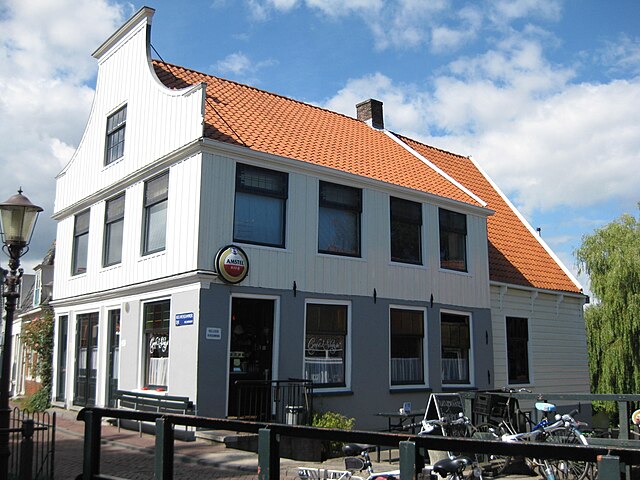
Zunderdorp is one of Amsterdam's best-kept secrets. Around 463 inhabitants, wooden houses, a photogenic little church and meadows stretching to the horizon — yet officially within the municipality of Amsterdam. The name comes from 'sundels': the narrow ditches through which farmers ferried milk to the city for centuries. Not a dike village but a true polder village — surrounded by meadows, not water.
From your stay at 't Nopeind — the hamlet next to Zunderdorp — you can explore all of this on foot or by bike. We've been doing it for years and never tire of it.
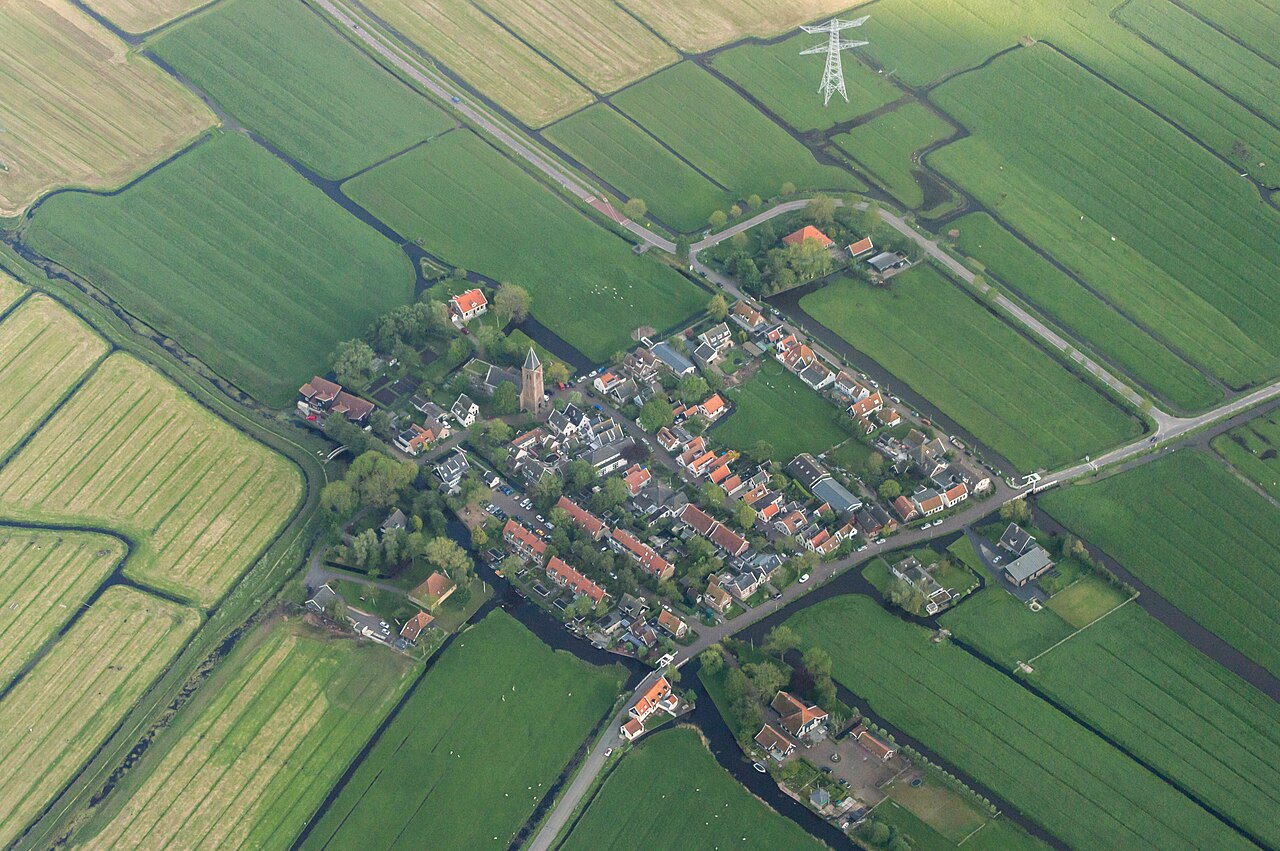
Walk around the village. Wooden houses, a little church reflected in the ditch, absolute silence while Amsterdam buzzes just a few kilometres away. More beautiful than any photo.
→ Early morning is most picturesque — mist over the meadows, cows in the polder. We walk this ourselves almost every day.
Wikipedia →
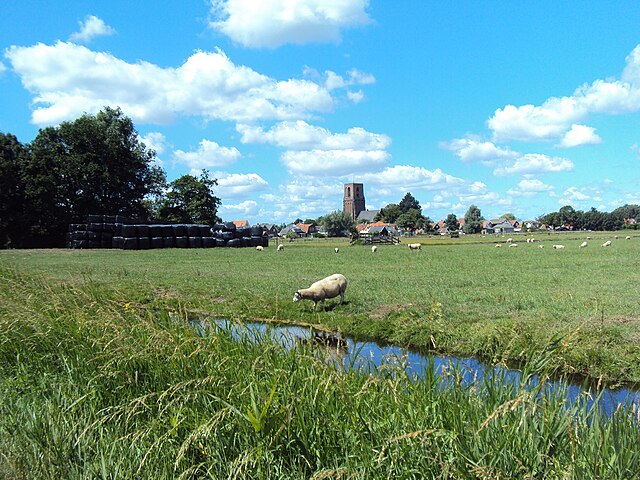
Zunderdorp's neighbour, even more intimate and quieter. The spire-less church tower from 1500 rises above the landscape — in 1542 the money ran out before the spire could be built.
→ The boardwalk between Ransdorp and Zunderdorp runs literally over the water of the ditches — walkers only, not cyclists. Unique, but slipperier than it looks after rain.
Wikipedia →
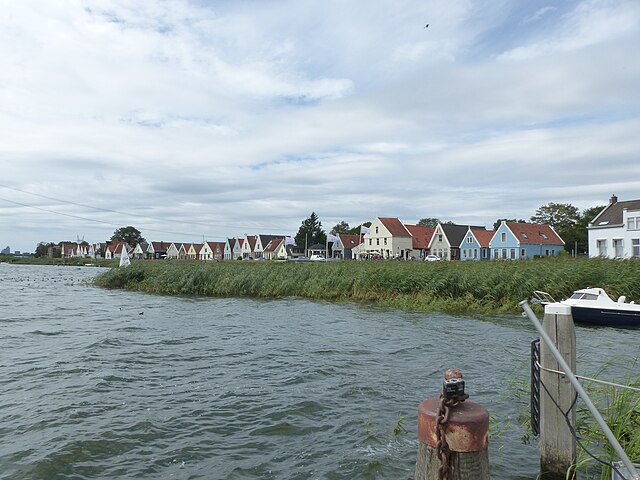
A dike village on the IJmeer — colourful houses in a row, washing lines in the wind, views across the water. One of the most picturesque spots in the region, virtually unknown to tourists.
Wikipedia →
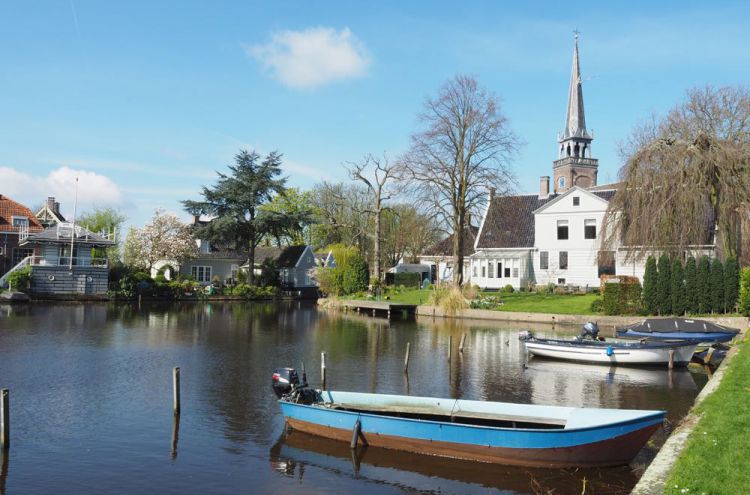
Twelve minutes by bus from Central Station — and you step into an open-air museum. Monumental wooden houses in pastel colours, protected village landscape, almost no tourists.
→ Combine Broek with a cycle ride via Zunderdorp, Ransdorp and Durgerdam on the way back.
Wikipedia →
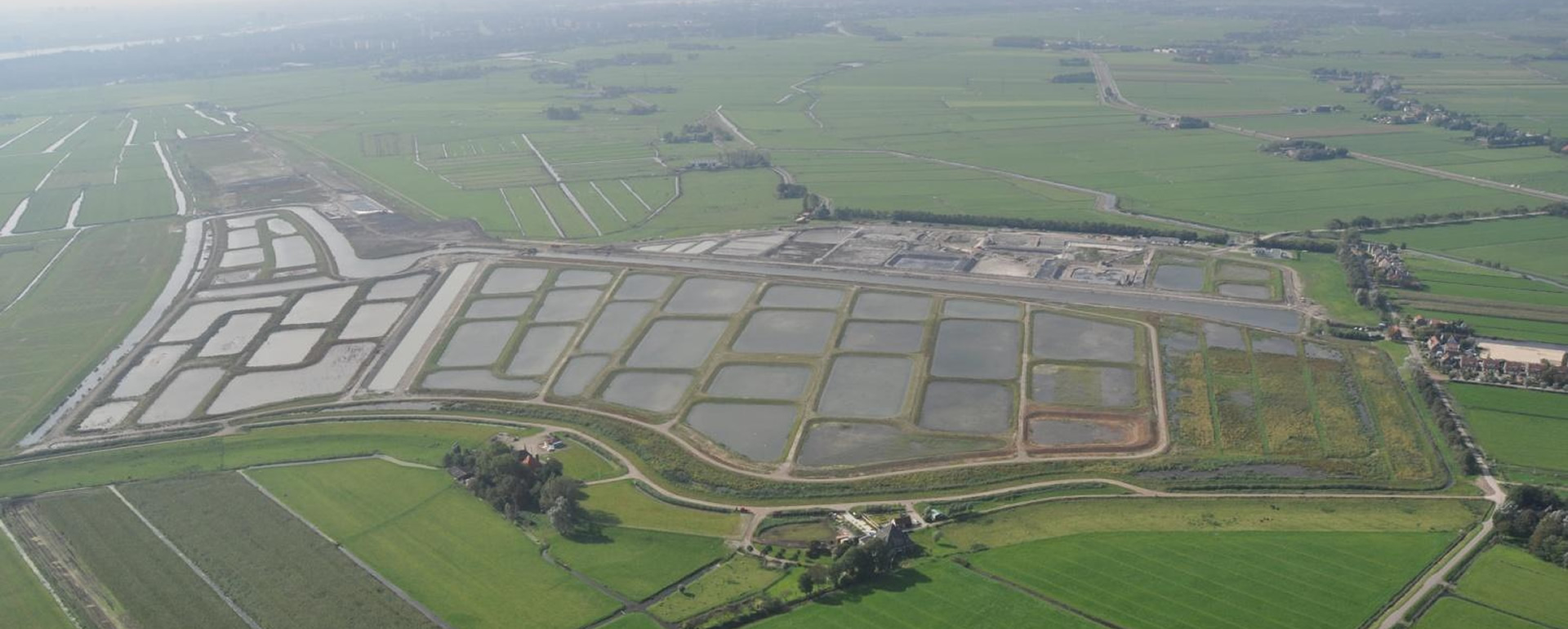
Former landfill, now a beautiful nature reserve with walking paths through peat and reeds. Views of Amsterdam in the distance, masses of birds. One of those places you only find if someone tells you.
Meer info →About 3 hours, mostly unpaved through polder and along the dike. Bring a jacket — the wind can pick up in Waterland.
Noord is not the Amsterdam of postcards — it's where Amsterdammers actually live. Creative, raw and honest. The ferry is your gateway. Renting a bike is strongly recommended — distances are greater than in the centre.

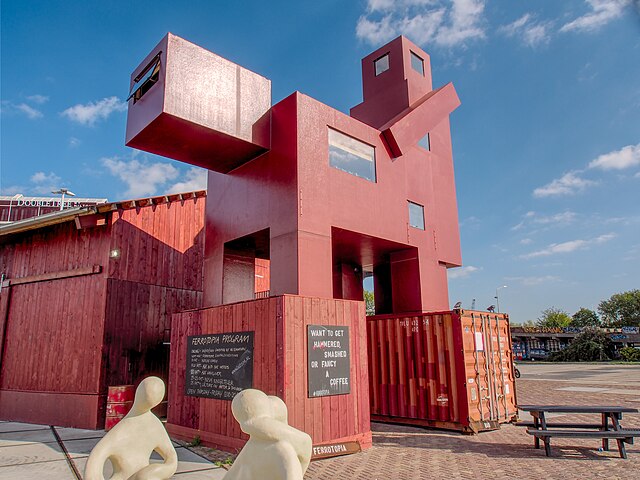
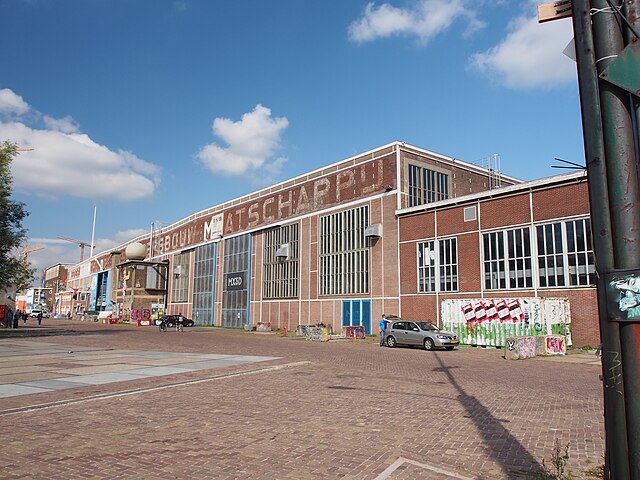
Former shipyard, now a creative hub with enormous street art murals, festivals and alternative bars. Walk around for the open-air street art museum — completely free.
→ Take the ferry to NDSM Wharf — a different line from the A'DAM Tower. Check the GVB app.
Wikipedia →
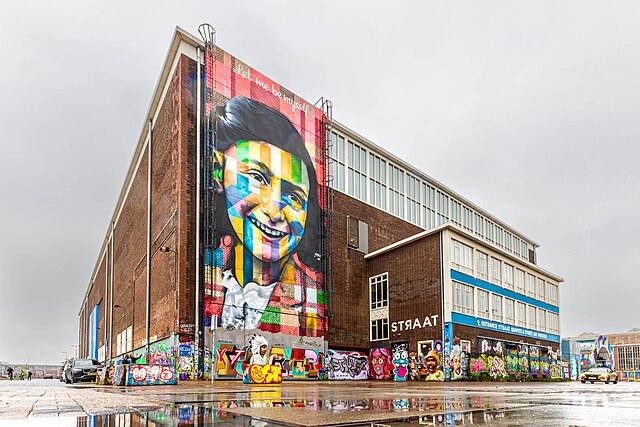
The Netherlands' largest street art museum, inside a former shipbuilding hall at NDSM. 160+ works by international artists. Perfect when it rains.
Meer info →
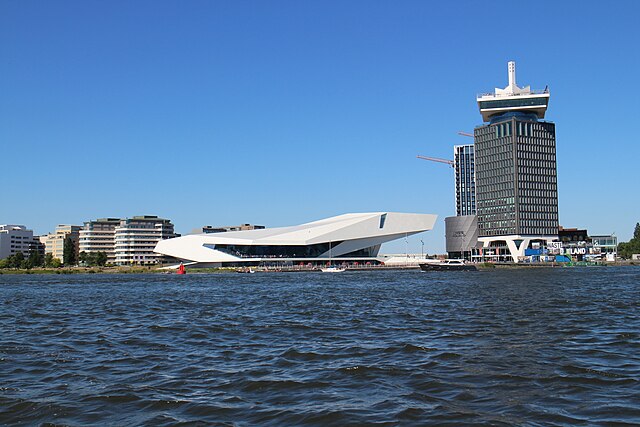
Architectural gem right on the IJ. The café looks out over the water and the ferry docks right at the door.
Wikipedia →
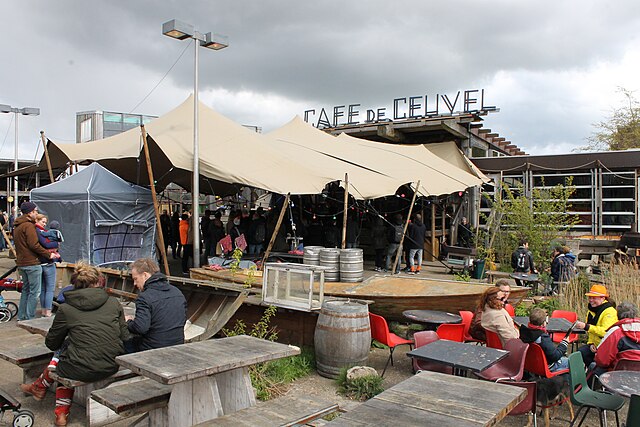
Plant-based restaurant in a former shipyard, surrounded by renovated houseboats. Connected by a boardwalk. One of the most remarkable lunch spots in Amsterdam.
Meer info →
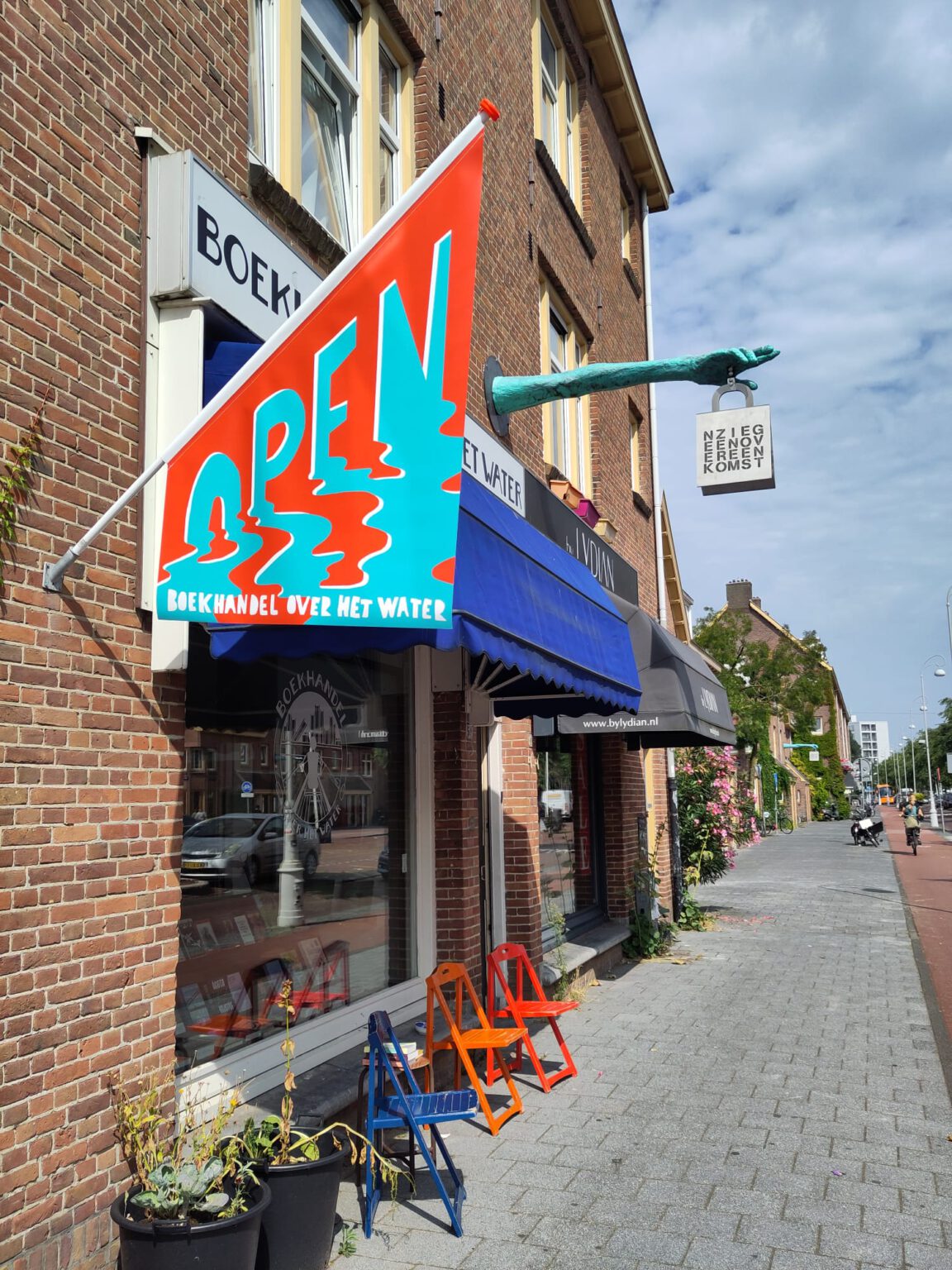
Bookshop and coffee bar on the water, with a terrace overlooking the IJ. The perfect start to a day in Noord.
Meer info →
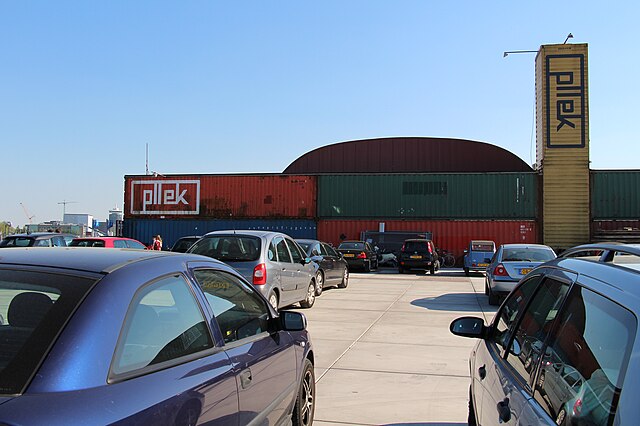
Europe's largest flea market at the NDSM Wharf. Vintage clothing, antique furniture, curiosities. Check the date at ijhallen.nl — not open every week.
Meer info →
Bar-restaurant right on the IJ with a sandy beach. In summer one of the finest places in Noord for a drink with views over the water.
Meer info →
One of Amsterdam's most beautiful dike streets, around the corner from us. Historic houses, no tourist crowds. Café 't Sluisje at the end is nearly 500 years old.
Meer info →With the free ferry you are across the IJ in 2 minutes. Our honest tip: start early. The canal ring before 9am is a completely different city from 2pm. Online booking is mandatory for most museums — always do this in advance.

One of the most moving museum experiences in the Netherlands. Walk through the secret annex on the Prinsengracht where Anne Frank was in hiding. No entry without a reservation.
→ Book an early time slot (8:00 or 9:00) — quieter and more powerful than later in the day.
Wikipedia →
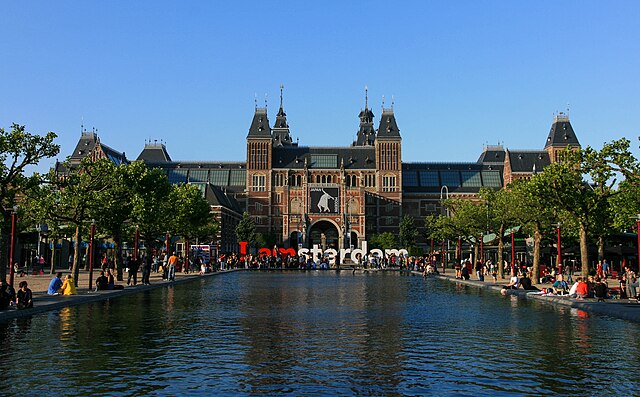
Rembrandt, Vermeer, the entire Dutch Golden Age — in a stunning building. Allow at least 2–3 hours. The inner courtyard is free without a ticket.
→ Combine with the Van Gogh Museum next door. Both on Museumplein.
Wikipedia →
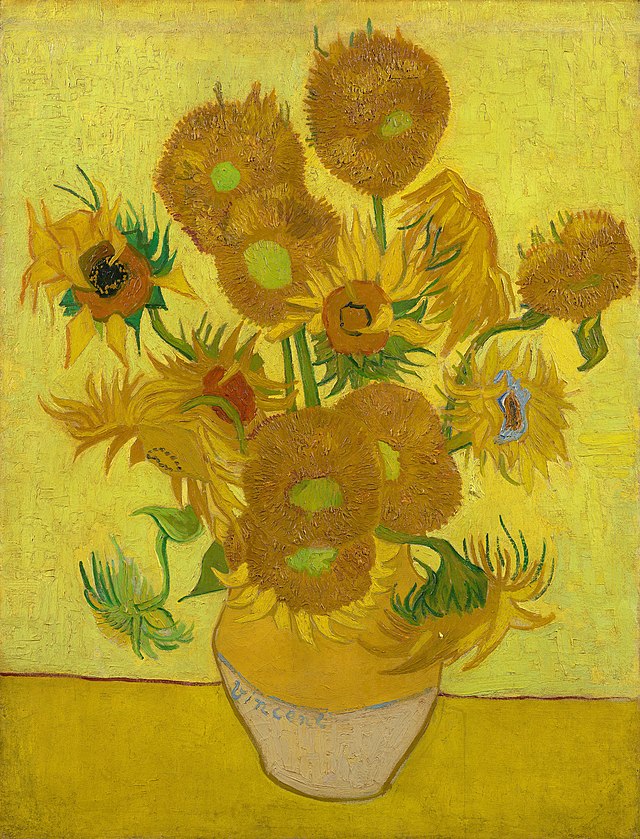
The world's largest collection of Van Gogh works. Right next to the Rijksmuseum, online booking also required. This museum leaves no one unmoved.
Wikipedia →
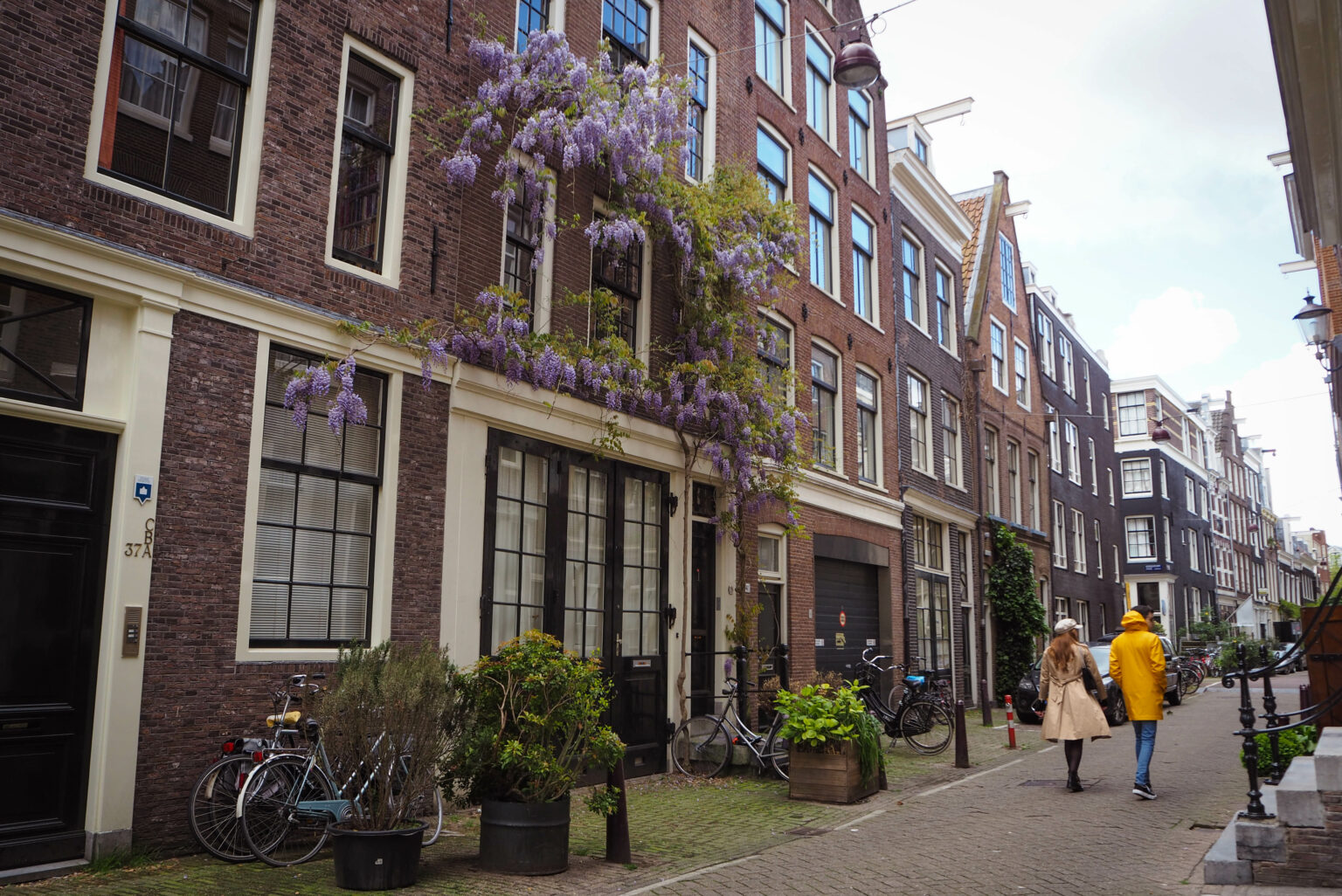
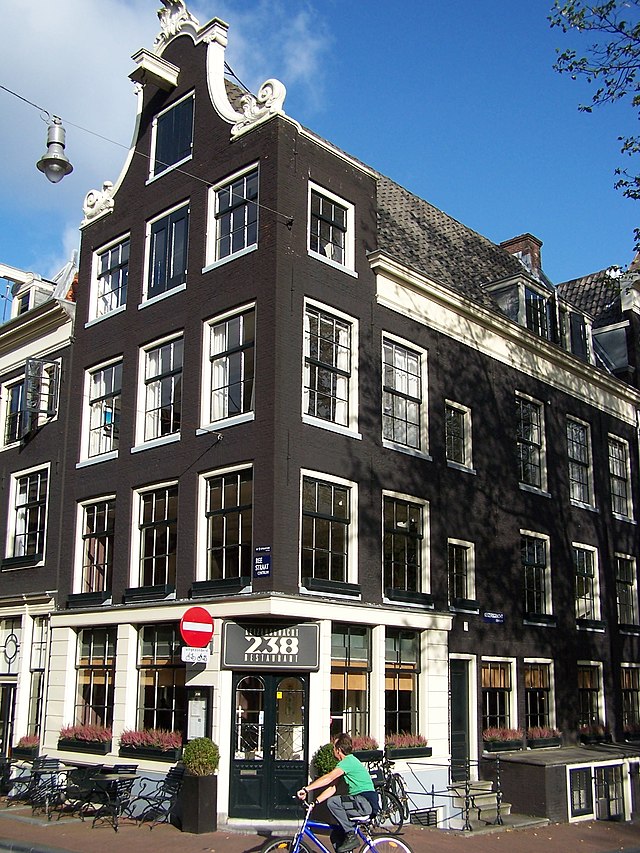
Amsterdam's most charming neighbourhood: narrow alleys, courtyards, brown cafés and small galleries. Don't plan, just wander. Find the Begijnhof — a hidden courtyard, free and completely silent.
Wikipedia →
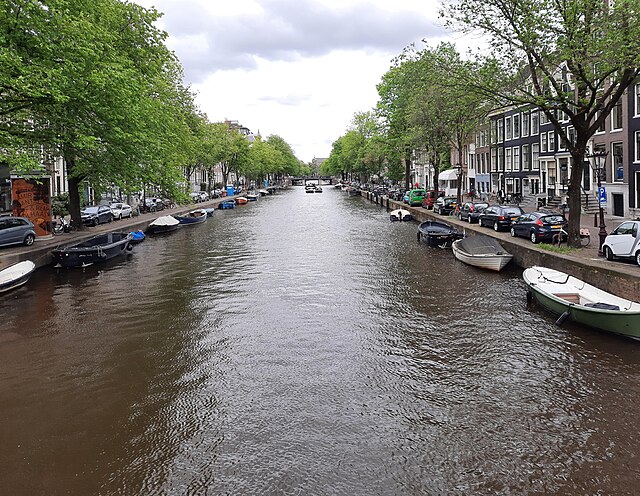
The UNESCO canals are most beautiful from the water. Renting a small boat at Central Station gives the most freedom — no licence needed for small boats.
Wikipedia →
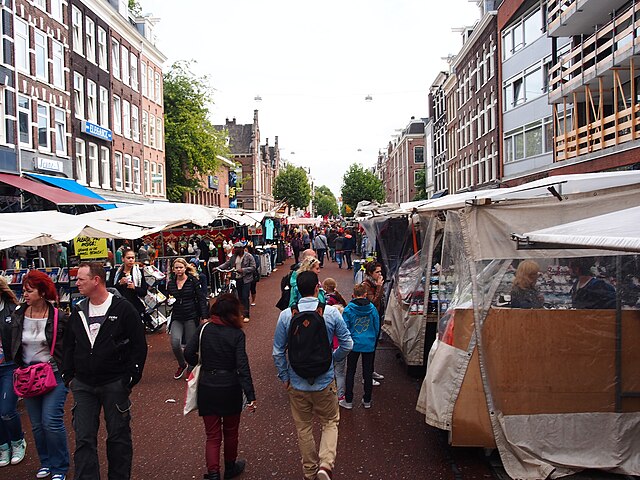
Europe's largest daily market in the vibrant De Pijp neighbourhood. Fresh herring, stroopwafels, Dutch cheese, flowers. Open Mon–Sat.
Wikipedia →
Nine small streets full of vintage shops, boutiques and eateries — no chains, no crowds. The best shopping area in the city.
Wikipedia →
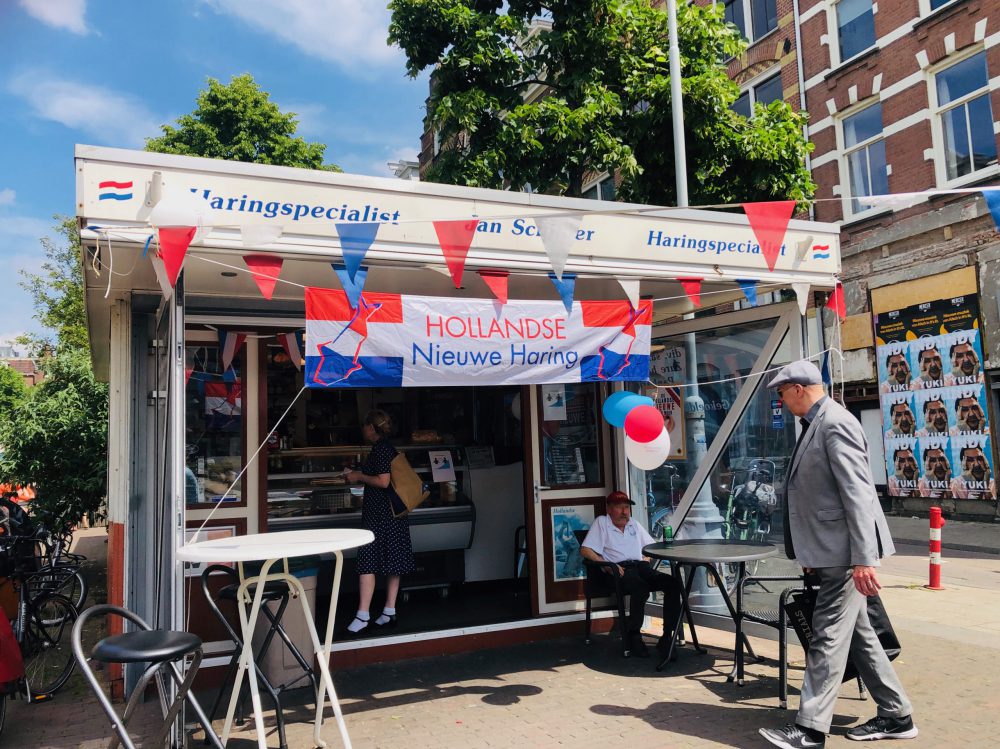
Dutch new herring, held by the tail, with onions and gherkin. At a street stall — not in a restaurant. Ask us which stall we recommend.